Article: What to Wear to a Winter Black-Tie Event: A Complete Men's Guide
What to Wear to a Winter Black-Tie Event: A Complete Men's Guide

Black-tie events have a certain confidence about them. There's something about putting on a dinner suit, polishing your shoes and knowing that the occasion calls for something a little more formal.
Winter is particularly well suited to black tie. Darker evenings, colder weather and grander venues naturally lend themselves to a sharper, more traditional look.
But black tie does come with rules. The good news is that they're fairly simple once you know what they are.
Whether you're heading to a winter wedding, formal dinner, awards evening or another black-tie occasion, here's how to get the look right.
What Does Black Tie Actually Mean?
If an invitation says "black tie", it's best to take it fairly literally.
Traditionally, black tie means a dinner suit or tuxedo, usually worn with a white dress shirt, black bow tie and black formal shoes.
It's more formal than a standard business suit, so this isn't the occasion to simply put on your smartest navy suit and call it done.
That said, modern black tie has become a little more relaxed in some settings. The venue and event will usually give you a good indication of how traditional you need to be.
For a classic approach, keep things simple:
-
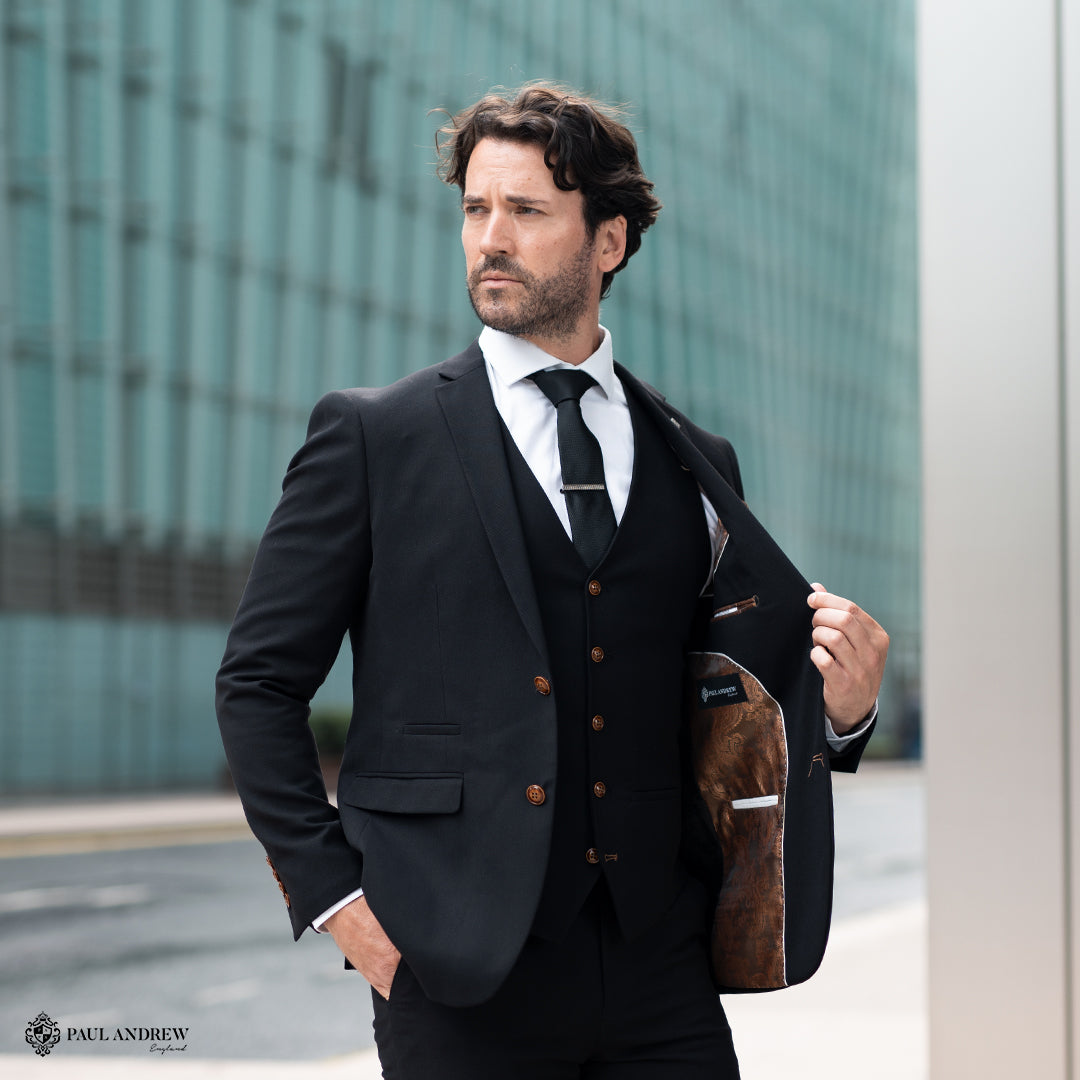
Black or midnight blue dinner suit
-
Black bow tie
-
Black formal shoes
-
Black trousers matching the jacket
-
Minimal accessories
The beauty of black tie is that you don't need dozens of pieces to make it work. A few good ones will do the job.

Black or Midnight Blue?
Black is the obvious choice, but midnight blue is worth considering if you want something slightly different.
A well-chosen midnight blue dinner suit can look particularly striking under evening lighting while still remaining completely appropriate for a formal event.
Black, however, remains the safest option if you're unsure about the dress code.
The important thing is to keep the entire outfit cohesive. A dinner jacket shouldn't be paired with ordinary suit trousers, and the trousers should match the finish and fabric of the jacket.


The Dinner Jacket: What Should You Look For?
A dinner jacket should have a cleaner, more formal appearance than your everyday suit.
The lapels are one of the defining features. Satin or silk-faced peak lapels are a classic choice, while shawl lapels can give the jacket a slightly softer and more elegant appearance.
Fit is particularly important with formalwear.
The jacket should sit neatly across the shoulders, the sleeves should finish around the wrist and the body should follow your shape without pulling or looking overly tight.
A dinner jacket doesn't need to be loud to stand out. Good proportions and a clean fit will always do more than unnecessary details.

What Shirt Should You Wear With Black Tie?
A crisp white dress shirt is the traditional choice.
Look for a shirt with a formal collar and a clean finish. Depending on the style of your dinner suit, you may also choose a pleated or bib-front shirt for a more traditional black-tie appearance.
Keep the shirt white rather than ivory or off-white unless you're deliberately creating a particular look.
And remember: this is one occasion where your ordinary white business shirt may not quite have the same effect as a proper formal shirt.

Do You Have to Wear a Bow Tie?
If the dress code says black tie, yes, a bow tie is the traditional choice.
It should be black and should ideally complement the finish of your dinner jacket.
A self-tie bow tie is the classic option, although a well-made pre-tied version can still look perfectly smart if worn correctly.
Avoid novelty shapes, bright colours or anything too oversized.
Black tie is about restraint.

What Shoes Should You Wear?
Your shoes should be just as formal as the rest of the outfit.
Black patent leather shoes are the traditional choice, particularly for very formal occasions.
However, highly polished black leather Oxfords can also work well and offer a little more versatility beyond the event itself.
Avoid trainers, casual loafers or brown shoes.
If you're investing in formal shoes, take a little time to make sure they're clean and polished before the evening begins.

What About a Pocket Square?
A pocket square isn't strictly necessary, but it can finish the outfit nicely.
If you choose to wear one, white is the easiest option.
Keep the fold simple. A clean straight fold or a subtle puff is more than enough.
This isn't the time for an elaborate display of folds or contrasting colours. The pocket square should complement the outfit rather than become its main feature.
Can You Wear Accessories With Black Tie?
Yes, but keep them understated.
A classic watch can work well, although many traditional black-tie dressers prefer to keep the wrist relatively simple.
Cufflinks are a natural addition, particularly with a formal shirt.
A simple pair in silver, gold or another understated finish is all you need.
The same rule applies to jewellery: less is usually more.
Black tie should feel polished rather than decorated.
What Should You Wear to a Winter Black-Tie Event?
Winter gives you a little more opportunity to introduce texture without compromising the dress code.
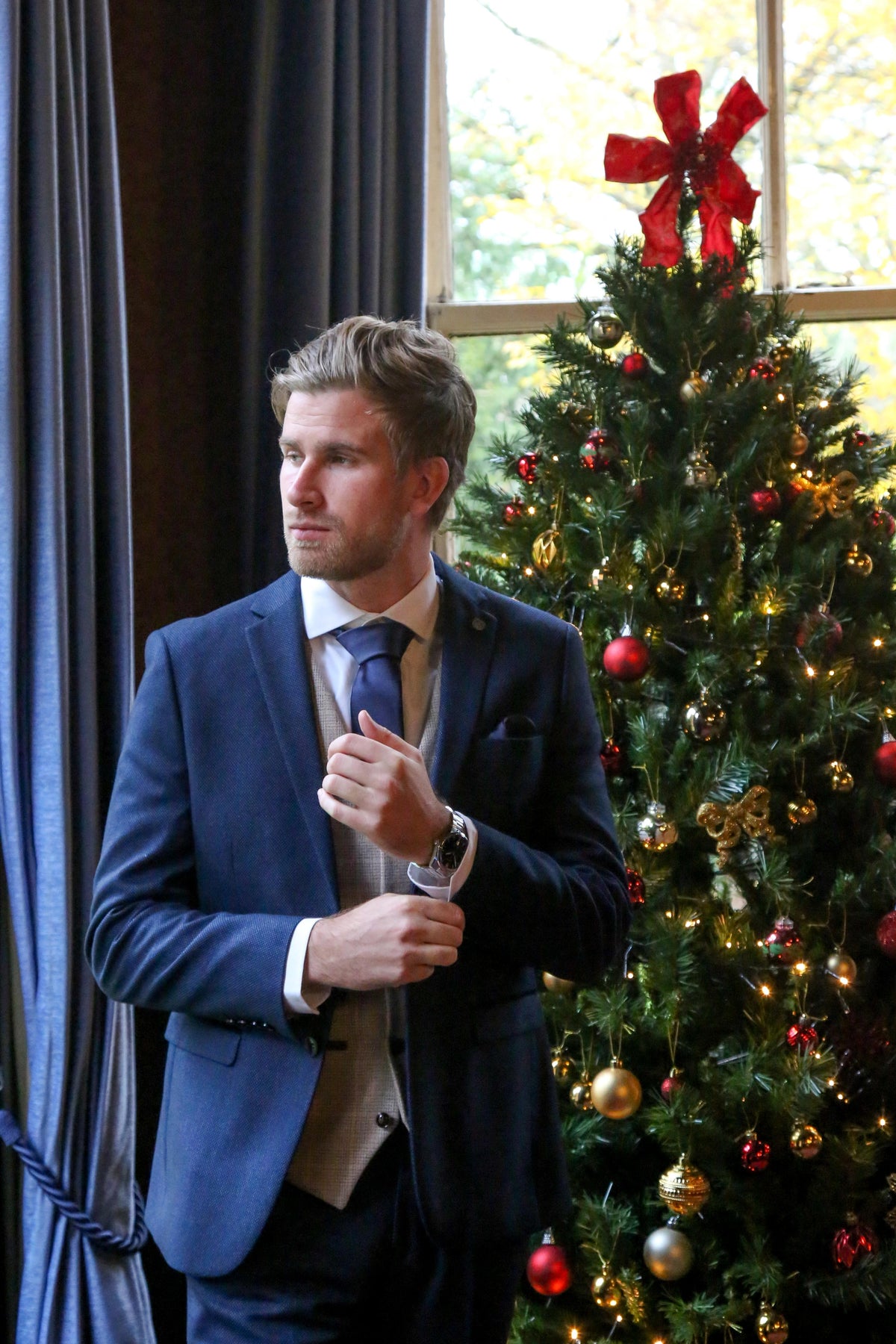
A velvet dinner jacket, for example, can work beautifully for certain winter events, particularly less traditional parties or evening occasions.
Deep burgundy, forest green and midnight blue can also add seasonal character when the event allows some flexibility.
If the invitation is strictly traditional, however, stick with black or midnight blue.
The more formal the occasion, the more conservative your choices should be.

What Coat Should You Wear Over Black Tie?
This is an easy detail to overlook.
If you're wearing a dinner suit to a winter event, your outerwear should match the level of formality underneath.
A smart black, charcoal or navy overcoat will work far better than a casual puffer jacket or sports coat.
You don't need the overcoat to make a statement. It simply needs to keep the rest of your outfit looking polished while you're travelling to and from the event.
Can You Wear a Three-Piece Suit Instead?
This depends entirely on the dress code.
A traditional black-tie invitation calls for a dinner suit rather than a conventional three-piece suit.
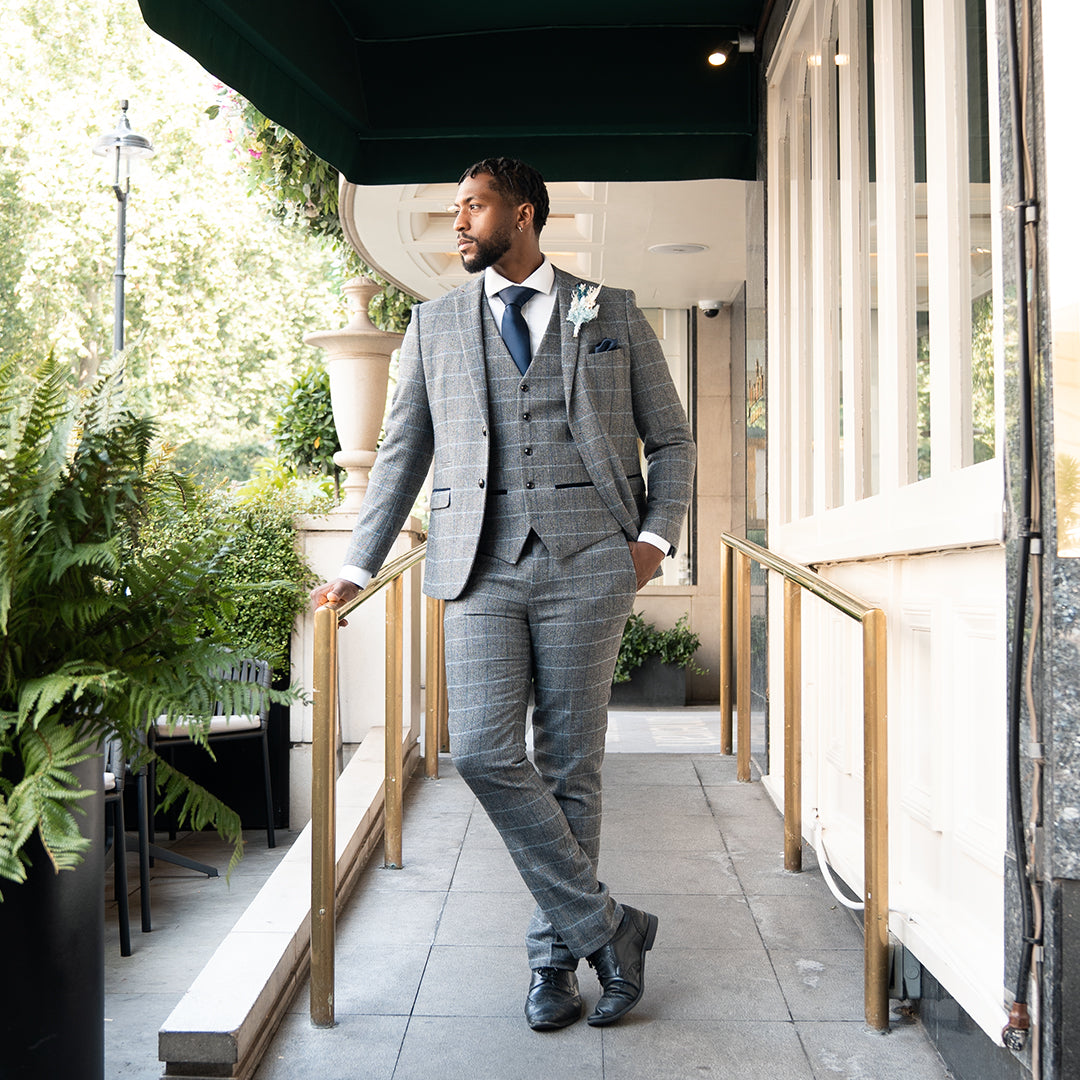
However, if the invitation says something like "formal" rather than specifically "black tie", a dark three-piece suit can be an excellent alternative.
Paul Andrew's three-piece suit collection offers plenty of options for formal occasions where a tuxedo isn't specifically required.
The important thing is to read the invitation carefully rather than assuming every formal event means the same thing.

Common Black-Tie Mistakes to Avoid
Black tie is relatively straightforward, but there are a few mistakes that can quickly make the outfit feel wrong.
Try to avoid:
-
Wearing a standard business suit instead of a dinner suit
-
Wearing a coloured or novelty bow tie
-
Pairing black tie with brown shoes
-
Wearing trainers
-
Mixing different shades of black
-
Wearing a casual shirt
-
Over-accessorising
-
Choosing a jacket that doesn't fit properly
-
Ignoring the dress code
One of the biggest mistakes is trying to make black tie too fashionable.
There's nothing wrong with adding some personality, but the best black-tie outfits usually rely on excellent fit and subtle details rather than lots of attention-grabbing elements.
Can You Add Your Own Style to Black Tie?
Absolutely.
The trick is knowing where to do it.
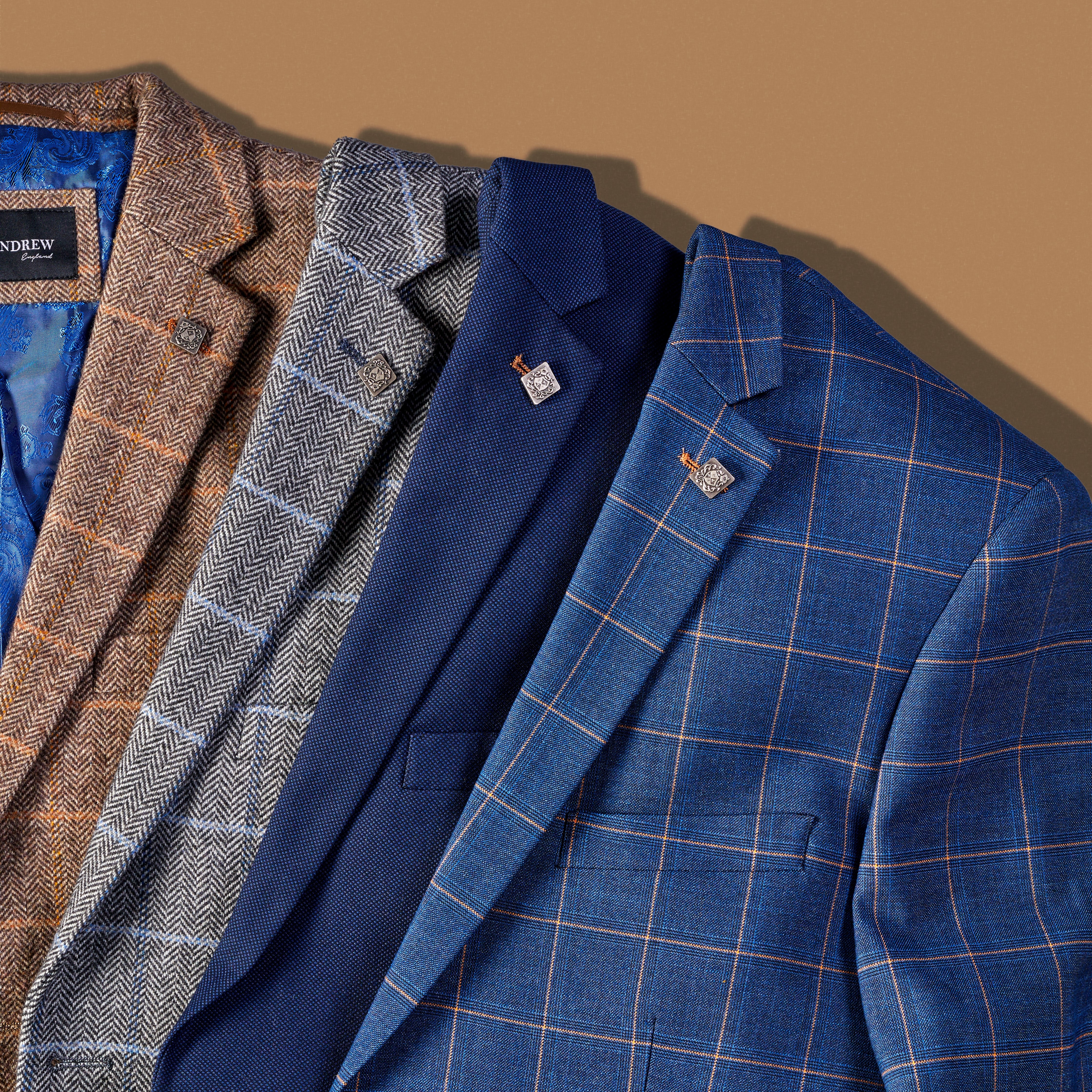
A slightly different texture, an interesting lapel, a quality pair of cufflinks or a midnight-blue dinner jacket can all give the outfit personality without breaking the rules.
Winter is particularly good for this.
Deep green, burgundy, velvet and textured fabrics can all work beautifully when the dress code allows a little interpretation.
Just remember that black tie is still black tie. Your outfit should look like a considered version of formalwear, not an ordinary suit with a bow tie added at the last minute.
The Finishing Touch: Confidence
There's a reason black tie has remained a staple of men's formalwear for so long.
It doesn't require endless decisions.
A well-fitting dinner suit, crisp white shirt, black bow tie and polished shoes will always look the part.
At Paul Andrew, our focus is on well-made suits, considered fit and timeless style. Whether you're looking for formalwear for a winter event or building a wardrobe of suits that can take you through different occasions, getting the fit right is the starting point.
Once the fundamentals are right, the rest becomes much easier.
So when the invitation says black tie, don't overthink it. Keep it sharp, keep it simple and let the suit do the talking.