Article: How to Buy the Perfect Suit: A Complete Men's Guide
How to Buy the Perfect Suit: A Complete Men's Guide

Buying a suit is an investment in your wardrobe. Whether you need one for work, a wedding, a special occasion or simply want to look smarter, choosing the right suit can make a huge difference to your overall appearance.
But with so many styles, colours, fabrics and fits available, knowing where to start isn't always easy.
Should you choose a two-piece or three-piece suit? Is navy more versatile than black? What should you look for when checking the fit? And how much should you spend?
The good news is that finding the right suit doesn't have to be complicated. Once you understand the basics, you can make a more confident choice and find something that looks smart, feels comfortable and suits your lifestyle.
In this guide, we'll take you through everything you need to know before buying a suit, from choosing the right style to getting the finishing details right.
1. Start by Thinking About What You Need the Suit For
Before looking at colours and styles, think about when and where you'll be wearing your suit.
A suit for everyday office wear may be quite different from one chosen for a wedding or formal evening event. Understanding its purpose will help narrow down your options.
Business and Office Wear
If you're buying a suit for work, versatility should be a priority.
Classic colours such as navy, charcoal and mid-grey are reliable choices. They look professional, are easy to coordinate with different shirts and ties, and can be worn throughout the working week.
A two-piece suit is often a practical option for everyday business wear, although a three-piece can also work if you prefer a more traditional appearance.
Explore the Paul Andrew men's formal suit collection for styles suited to professional occasions.
Weddings and Special Occasions
Buying a suit for a wedding gives you more opportunity to experiment with colour, pattern and styling.
Navy and grey remain popular choices, while green, burgundy and lighter shades can offer something a little different.
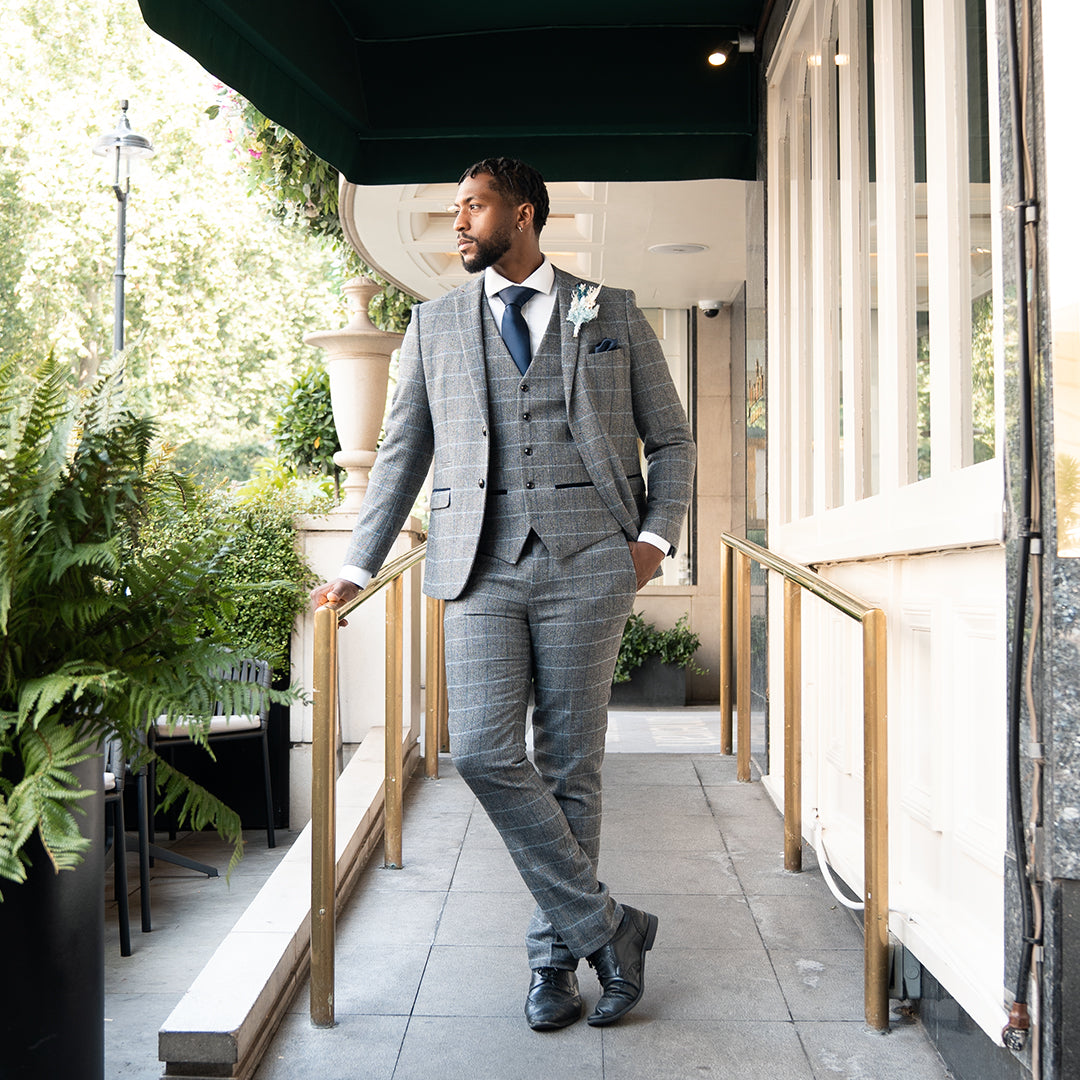
A three-piece suit is particularly popular for weddings because the waistcoat creates a more formal, coordinated appearance.
Think about the season, venue and dress code before making your decision. A lighter suit may be ideal for a summer wedding, while a darker or more textured style can work beautifully for an autumn or winter celebration.
Browse the Paul Andrew three-piece suit collection for wedding and occasion wear inspiration.
Everyday Smart Dressing
Not every suit needs to be reserved for a major event.
A well-chosen suit can be worn for dinners, celebrations, meetings and other occasions where you want to look smart.
If you're buying your first suit, choosing a versatile colour and classic design will usually give you more opportunities to wear it.

2. Choose the Right Suit Style
Once you've decided what you'll be wearing the suit for, it's time to think about the style.
There are several options available, but two-piece and three-piece suits are the most common starting points.
Two-Piece Suits
A two-piece suit consists of a matching jacket and trousers.
It's one of the most versatile options available and works for business meetings, weddings, formal events and everyday smart dressing.
The main advantage is its simplicity. You can wear it with a shirt and tie for a traditional look or remove the tie for something slightly more relaxed.
If you're buying your first suit, a classic two-piece in navy or charcoal is a sensible place to start.
Explore the Paul Andrew two-piece suit collection.
Three-Piece Suits
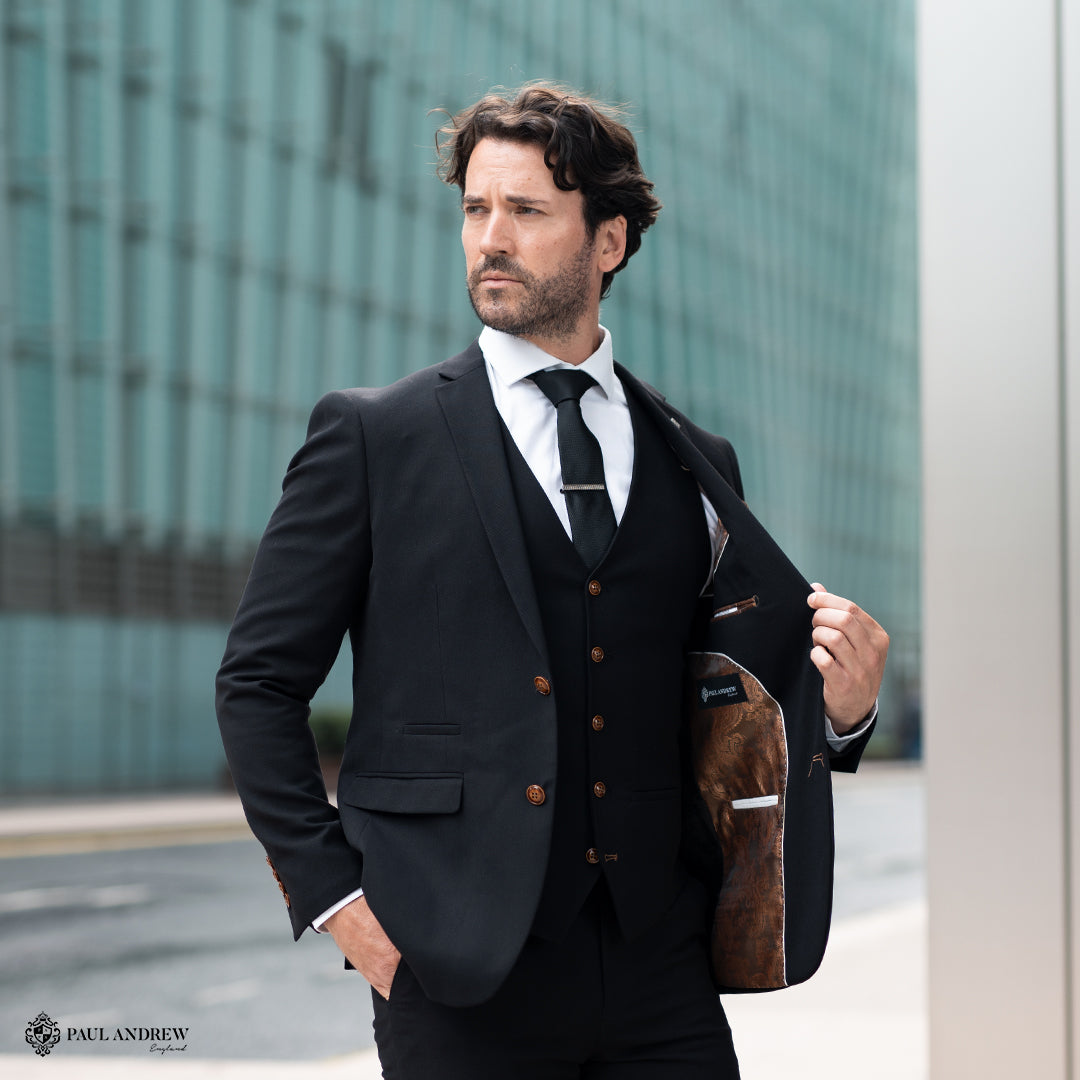
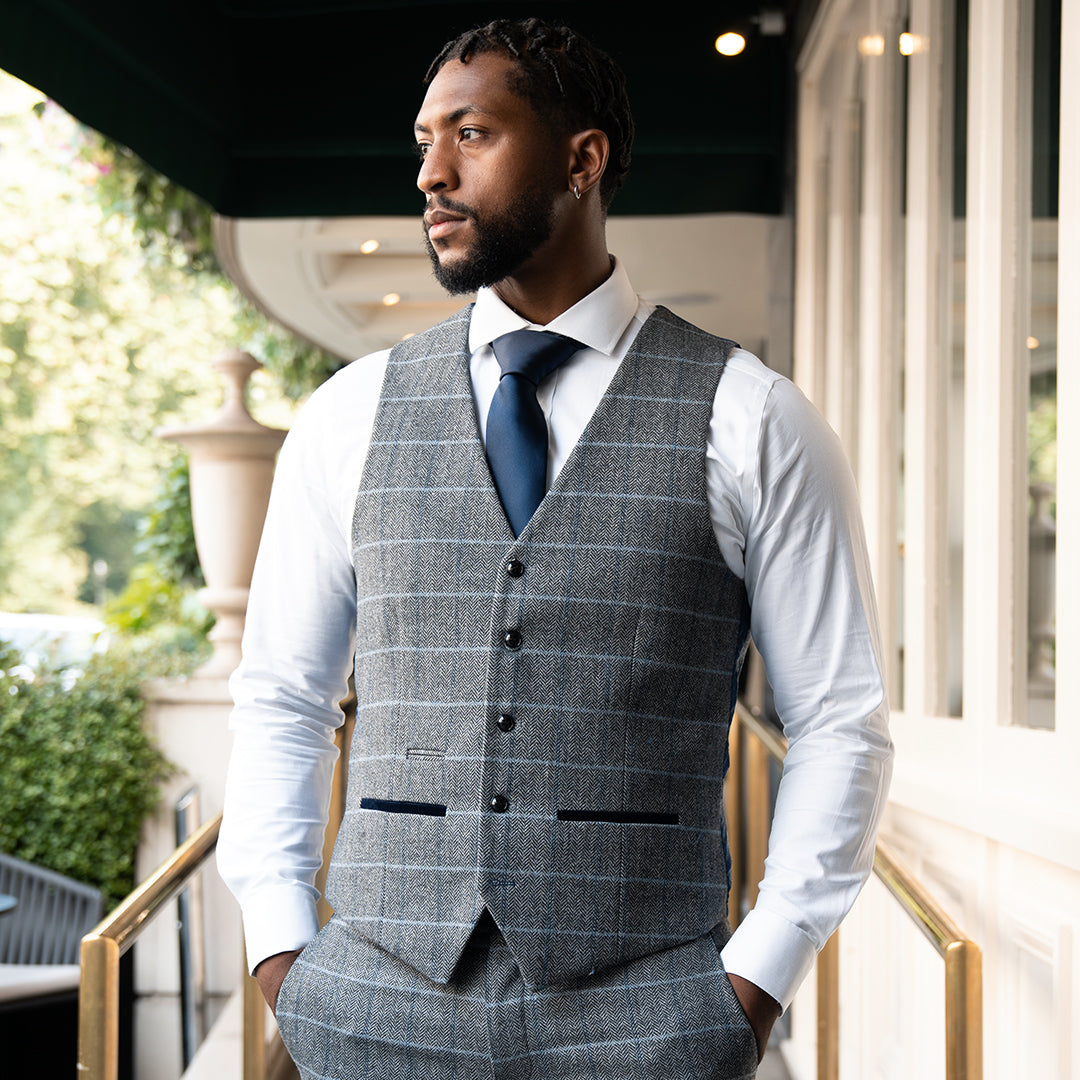
A three-piece suit includes a matching waistcoat alongside the jacket and trousers.
It creates a more traditional and formal appearance, making it a popular choice for weddings, special occasions and important events.
One of the benefits is that you can wear the full three-piece outfit or remove the jacket while keeping the waistcoat on, depending on the occasion.
A three-piece suit can also be a useful option during cooler months, when the additional layer feels particularly appropriate.
Single-Breasted or Double-Breasted?
Another detail to consider is the jacket fastening.
Single-breasted suits have one row of buttons and are generally the most versatile choice. They work well for both formal and everyday occasions.
Double-breasted suits have two rows of buttons and usually create a more structured, distinctive appearance. They can be a great choice if you want something with a little more presence.
Neither style is automatically better. It comes down to your personal preference and the look you want to achieve.


3. Get the Fit Right
A suit can have the perfect colour and fabric, but if the fit isn't right, it won't look its best.
Fit is one of the most important things to consider when buying a suit. A well-fitting design should look balanced, feel comfortable and allow you to move naturally.
Here are the main areas to pay attention to.
The Shoulders
Start with the shoulders of the jacket.
The shoulder seams should sit close to the natural edge of your shoulders. If they extend too far, the jacket can look oversized. If they're too narrow, the fabric may pull or create creases.
The shoulders are particularly important because they help determine the overall shape of the jacket.
The Chest
The jacket should sit comfortably across your chest without pulling when fastened.
You should be able to button it without the fabric straining or creating noticeable tension.
At the same time, it shouldn't look excessively loose or boxy.
The Jacket Length
A traditional suit jacket should generally cover the seat and create a balanced appearance with the trousers.
The exact length will depend on the style and proportions of the garment, but it should look in proportion to your body.
The Sleeves
The jacket sleeves should finish around the wrist, allowing a small amount of shirt cuff to show.
This creates a neat, considered appearance and helps the shirt and jacket work together.
The Trousers
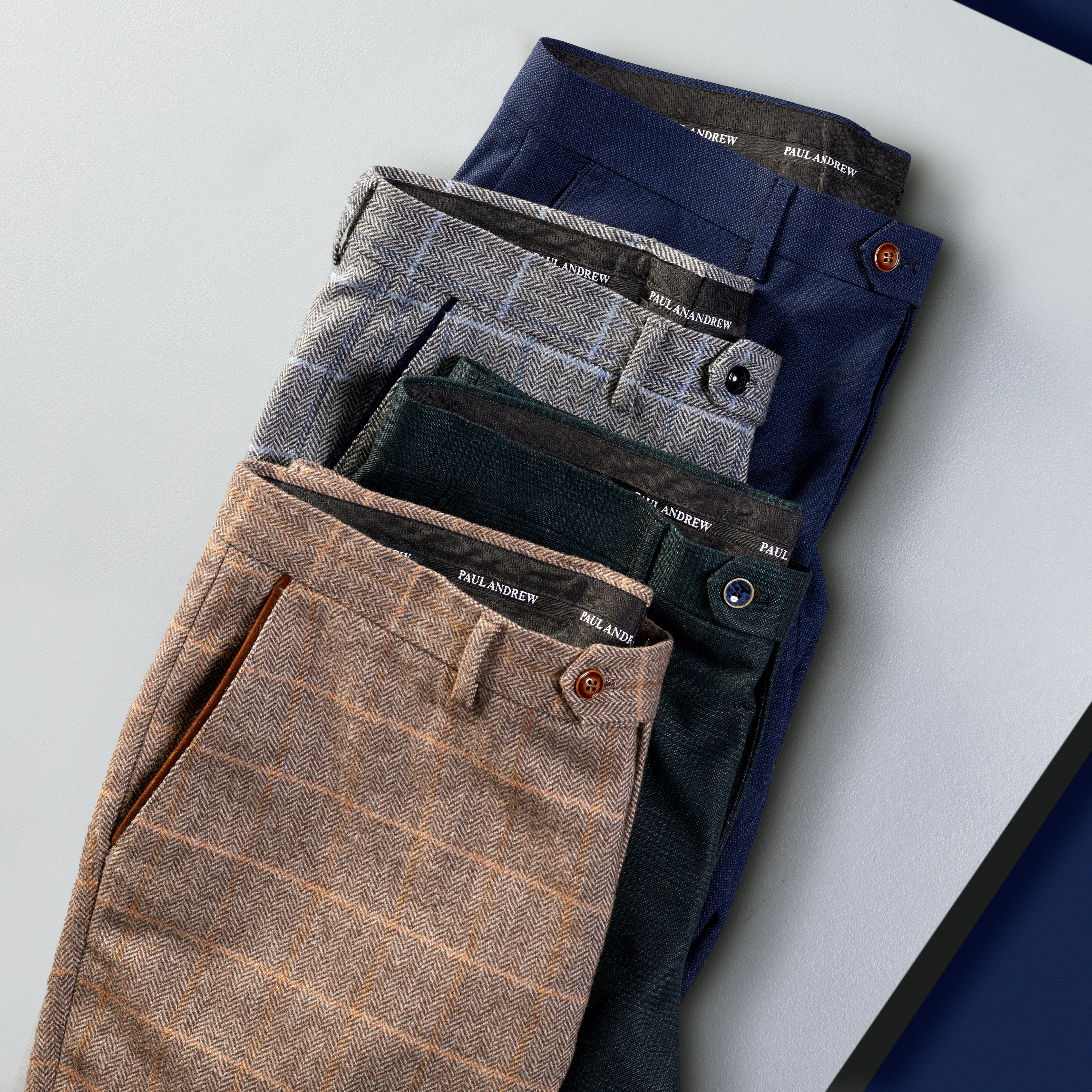
Pay attention to the waist, seat, thigh and trouser length.
The waistband should feel secure without being uncomfortable, while the trousers should sit neatly without pulling across the thighs.
At the bottom, the trousers should fall cleanly over your shoes. Some men prefer a slight break, while others prefer a shorter, more modern finish.
What Does Tailored Fit Mean?
A tailored fit generally describes a suit designed with a more defined silhouette than a traditional relaxed fit.
It typically offers a cleaner shape through the body and legs while maintaining room for comfortable movement.
It's important to remember that tailored fit describes the cut of a garment. It doesn't necessarily mean the suit has been individually made or altered for you.

4. Understand the Different Suit Fits
When shopping for a suit, you'll often come across different descriptions of fit.
These terms help explain how the garment is shaped and how much room it provides.
Slim Fit
Slim-fit suits are designed with a closer silhouette through the body and legs.
They tend to create a sharper, more modern appearance, although they should never feel restrictive.
Tailored Fit
Tailored-fit suits offer a balance between a defined shape and everyday comfort.
They are a popular option for men who want a smart, contemporary look without choosing an especially tight fit.
Regular Fit
Regular-fit suits generally offer more room through the jacket and trousers.
They can be a good choice for men who prefer a more traditional silhouette or simply want additional space and ease of movement.
The best fit is the one that feels comfortable and complements your proportions. Don't choose a fit purely because it's fashionable.
5. Pick a Colour That Works for Your Wardrobe
Colour is another important part of buying the right suit.
If you're purchasing your first suit, it's usually worth starting with a versatile shade that can be worn for several different occasions.
Navy
Navy is arguably one of the most useful suit colours a man can own.
It's smart without feeling too formal, works with a wide range of shirt colours and is suitable for business meetings, weddings and social events.
It can also be styled differently depending on the occasion. Pair it with a white shirt and dark tie for a classic look or choose a lighter shirt for something more relaxed.
Charcoal Grey
Charcoal is another excellent all-rounder.
It's a particularly popular choice for office wear and formal occasions because it creates a smart, understated appearance.
It also works well with black and brown leather shoes, depending on the rest of the outfit.
Black
Black suits have a more formal appearance and can be a good option for certain evening occasions and events.
However, they aren't always the most versatile choice for everyday business wear.
It's also worth remembering that a black suit isn't automatically the same as a black-tie outfit, which has its own dress code.
Green and Burgundy
If you already own the classic colours, introducing something different can add variety to your wardrobe.
Dark green and burgundy suits can look particularly effective for weddings, autumn events and occasions where you want to stand out slightly.
The key is to keep the rest of the outfit balanced.
Beige and Lighter Shades
Beige, stone and lighter grey suits are popular during spring and summer.
They work particularly well for daytime events, outdoor weddings and warmer-weather occasions.

6. Choose a Fabric That Suits the Season
The fabric can make a significant difference to how comfortable your suit feels.
Different materials have different characteristics, and choosing the right one can help you get more wear from your purchase.
Wool
Wool is a classic suiting material and is available in different weights and finishes.
It can offer a smart appearance and a good drape, making it suitable for business wear and formal occasions.
Lighter-weight wool can work in milder conditions, while heavier fabrics are often more appropriate for colder weather.
Linen
Linen is a popular choice for summer because of its lightweight, breathable qualities.
It has a more relaxed appearance than many traditional suiting fabrics and is particularly suitable for outdoor events and warm-weather weddings.
The main consideration is creasing, as linen naturally wrinkles during wear.
Cotton
Cotton suits can offer a slightly more relaxed alternative to traditional wool suiting.
Depending on the weight and construction, they can be suitable for spring and summer occasions.
Cotton can crease, so consider whether its appearance and maintenance requirements suit your needs.
Blended Fabrics
Blended fabrics combine different fibres to create particular characteristics.
For example, a wool and polyester blend combines natural and synthetic fibres, with the final feel and performance depending on the proportions used.
Always check the composition listed on the individual product page before purchasing.

7. Consider the Details That Make a Difference
Once you've found a suit style, colour and fit you like, pay attention to the smaller details.
These can influence the overall appearance and help you decide whether a particular design is right for you.
Lapels
The lapels are the folded sections of fabric running down the front of the jacket.
Notch lapels are common on business and everyday suits, while peak lapels often create a more formal and distinctive appearance.
Buttons
The number of buttons and how they're positioned can change the look of a jacket.
Two-button single-breasted jackets are a particularly versatile choice, while one-button styles can create a more contemporary appearance.
Pockets
Suit jackets usually feature different pocket styles, including flap pockets, jetted pockets and patch pockets.
Flap pockets are a popular choice for everyday and business suits, while jetted pockets often create a cleaner, more formal finish.
Waistcoats
If you're considering a three-piece suit, look at the waistcoat design as well as the jacket and trousers.
It should sit neatly against the shirt, cover the waistband of the trousers and feel comfortable when fastened.

8. Think About What You'll Wear With Your Suit
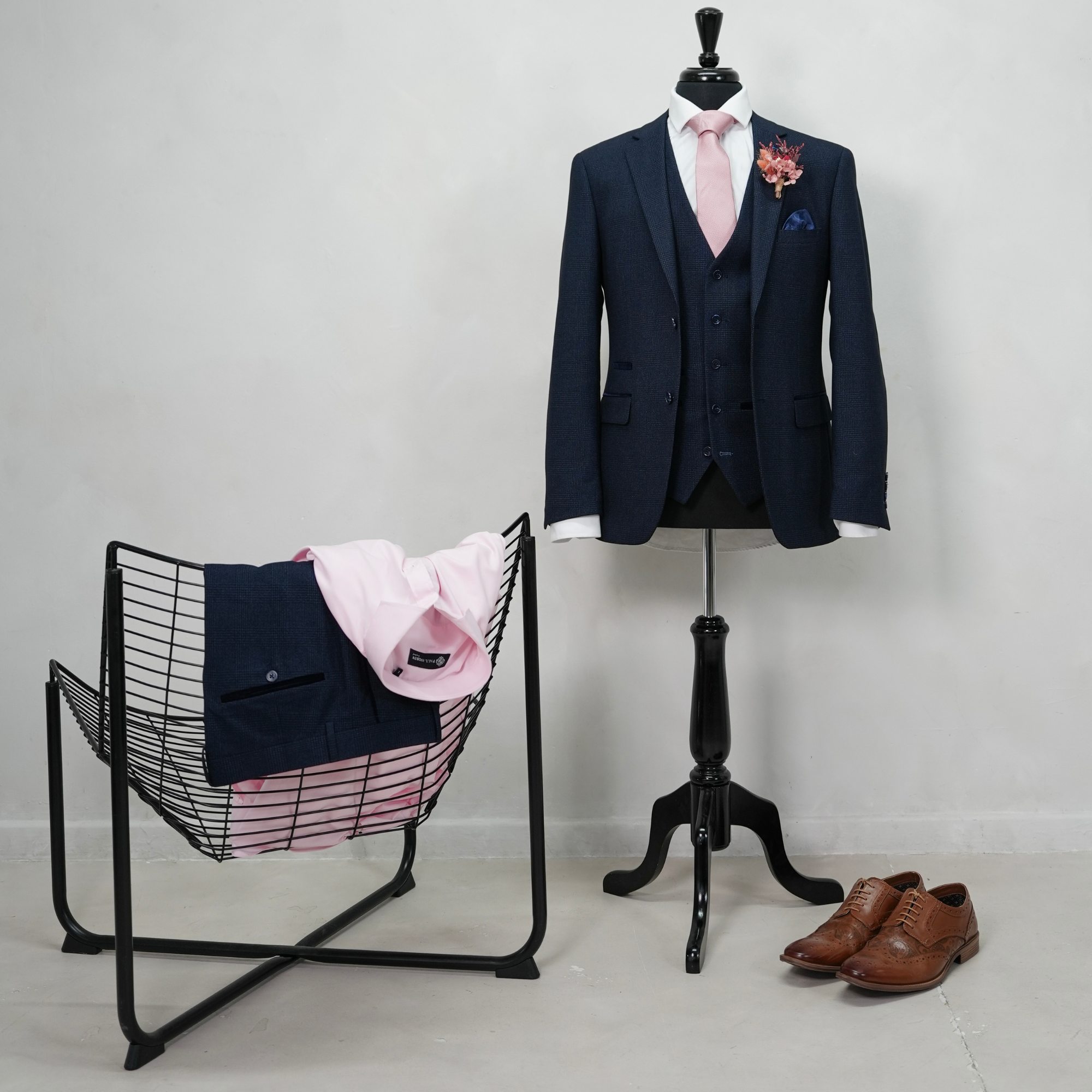
A suit is only one part of your outfit. The shirt, tie, shoes and accessories all help complete the look.
Before buying, think about what you already own and whether the suit will work with those items.
Shirts
A crisp white shirt is one of the easiest ways to style almost any classic suit.
Pale blue is another versatile option, particularly with navy and grey.
For a more formal appearance, choose a well-fitted shirt with a collar that works comfortably with your chosen tie.
You can browse the Paul Andrew shirt collection to find options to complement your suit.
Shoes
Black leather shoes are a classic choice with charcoal and darker suits.
Brown leather shoes work particularly well with navy, blue, beige and some grey suits.
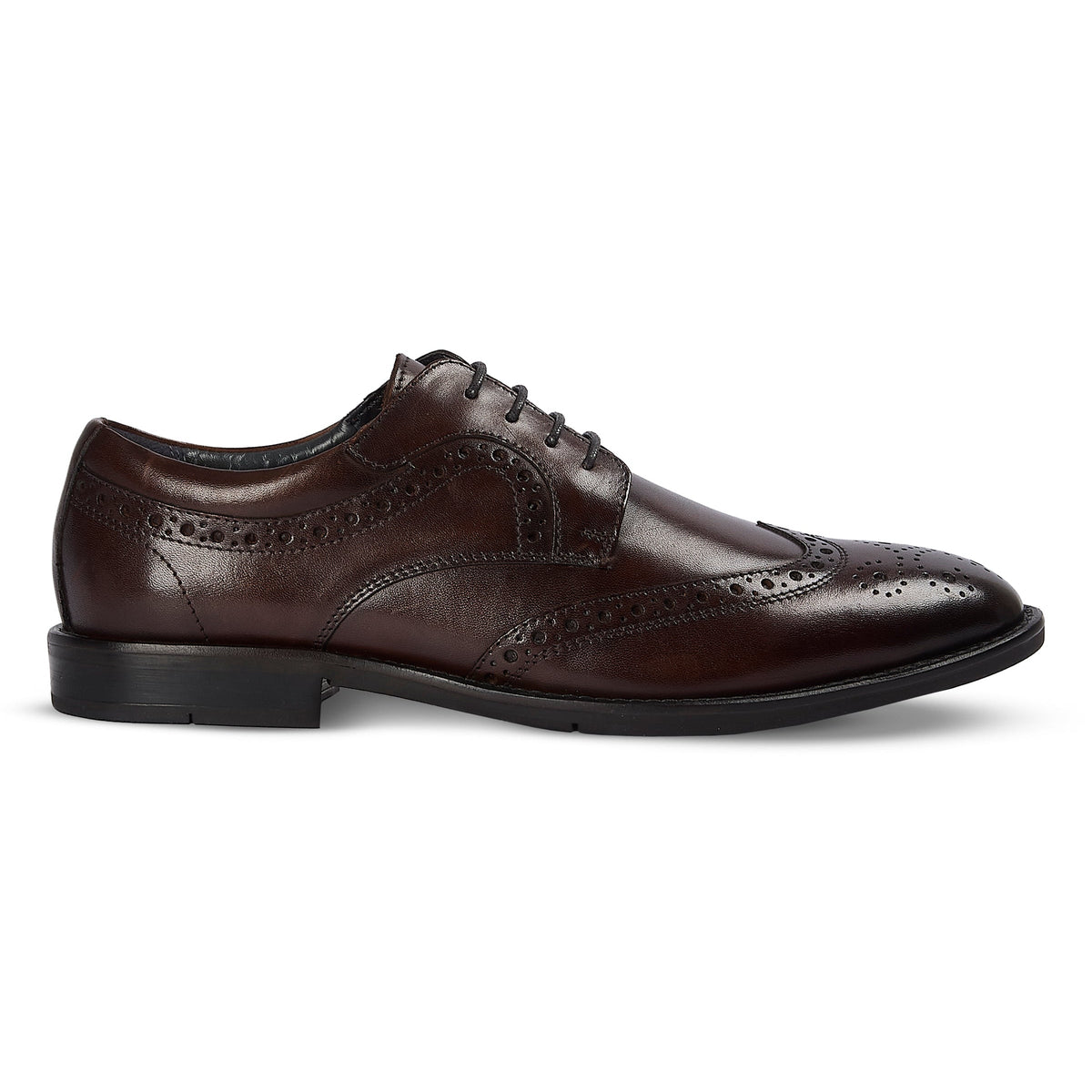
For formal occasions, Oxford shoes are a traditional option, while Derby shoes offer a slightly more relaxed alternative.
Explore the Paul Andrew men's shoe collection.
Ties and Pocket Squares
A tie can change the character of an outfit considerably.
For business wear, classic colours and understated patterns are usually a safe choice.
For weddings and special occasions, you can introduce more colour and personality.
A pocket square adds another finishing detail. It doesn't need to match your tie exactly, but the colours should complement one another.

9. How Much Should You Spend on a Suit?
There isn't one correct amount to spend on a suit.
The right budget depends on how often you'll wear it, what you need it for and the features that matter most to you.
Rather than focusing entirely on price, think about value.
A suit that you'll wear regularly for work may justify a larger investment than one purchased for a single occasion.
Before buying, consider:
-
Fabric: Check the composition and overall quality of the material.
-
Fit: Make sure the suit sits comfortably and looks balanced.
-
Construction: Look at the finishing, stitching, buttons and general presentation.
-
Versatility: Consider how many different occasions you'll be able to wear it for.
-
Care: Check the cleaning instructions and ongoing maintenance requirements.
A well-chosen suit doesn't have to be the most expensive option available. It needs to meet your requirements and be something you'll enjoy wearing.
10. Should You Buy a Two-Piece or Three-Piece Suit?
If you're unsure which style to choose, think about how formal you want your outfit to look.
A two-piece suit is generally the more straightforward option and is suitable for a wide range of occasions.
A three-piece suit offers an additional layer and a more traditional appearance, making it particularly popular for weddings and formal events.
If you want maximum flexibility, you could consider owning both styles over time.
A navy two-piece is a useful foundation, while a three-piece in a different colour or pattern can add variety to your wardrobe.
11. What to Check Before Buying a Suit Online
Buying a suit online can be convenient, particularly when you already know the fit and style you prefer.
However, it's important to check the product information carefully before placing an order.
Here's a useful checklist:
-
Check the size guide: Compare your measurements with the brand's sizing information.
-
Look at the fit description: Understand whether the suit is slim, tailored or regular fit.
-
Read the fabric composition: Check exactly which materials have been used.
-
Check what's included: Confirm whether the listing is for a two-piece or three-piece suit.
-
Look at the product photographs: Pay attention to the colour, pattern and design details.
-
Read the care instructions: Make sure you understand how the garment should be maintained.
-
Check delivery and returns information: Understand the retailer's policies before ordering.
It's also worth checking whether the jacket and trousers are sold together and whether the waistcoat is included where applicable.
Taking a few minutes to review these details can help avoid disappointment.

12. Build Your Suit Wardrobe Around the Essentials
If you're starting to build a suit wardrobe, you don't need to buy everything at once.
A few carefully selected styles can cover a surprising number of occasions.
Here are four useful starting points:
1. A navy two-piece suit
A versatile option for work, weddings, interviews and formal events.
2. A charcoal or grey suit
Another dependable choice that can be styled with different shirts, ties and shoes.
3. A three-piece suit
Ideal for weddings and occasions where you want a more traditional, formal appearance.
4. A suit with a distinctive colour or pattern
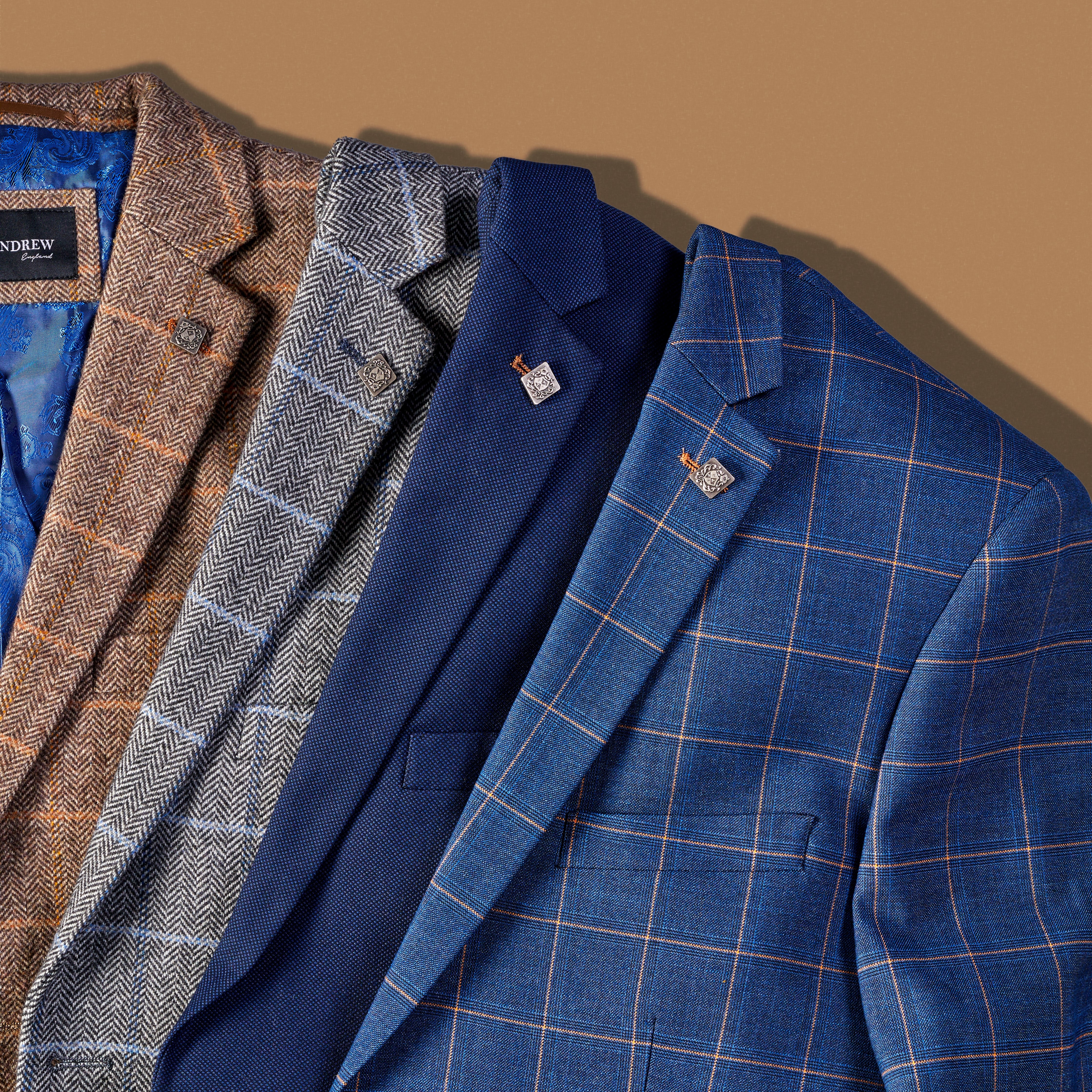
Once you've covered the basics, introduce something different. A green, burgundy or checked design can bring more personality to your wardrobe.
You can explore the full Paul Andrew men's suit collection to find styles that suit different occasions and preferences.
Final Thoughts: Finding the Perfect Suit
Buying the perfect suit is about more than choosing something that looks good on a hanger.
You need to consider the occasion, fit, colour, fabric and the details that make the outfit work together.
If you're buying your first suit, start with a versatile colour such as navy or charcoal, choose a style that suits your needs and pay close attention to the fit.
If you're adding to an existing wardrobe, consider introducing different colours, patterns and styles to give yourself more options.
Most importantly, choose a suit that feels comfortable, looks smart and gives you confidence whenever you wear it.
A well-chosen suit is something you can return to time and time again, making it one of the most useful investments in a man's wardrobe.