
How to Choose a Suit for Different Seasons: The Complete Men's Guide

Choosing the right suit isn't just about colour or fit. The time of year makes a big difference too. A suit that feels comfortable at a summer wedding might not be the best choice for a winter event, while heavier fabrics that work perfectly in colder weather can feel far too warm during the summer months.
The key is understanding how different fabrics, colours and styles work throughout the year. Whether you're dressing for the office, attending a wedding or looking for a suit you can wear regularly, choosing the right option for the season will help you look smart without compromising on comfort.
In this guide, we'll look at how to choose a suit for spring, summer, autumn and winter, including which fabrics and colours work best and how to make the most of your wardrobe all year round.
Why Does the Season Matter When Choosing a Suit?
Not every suit is designed for every occasion or temperature. Fabric weight, breathability and colour can all affect how comfortable and appropriate an outfit feels.
During warmer months, lightweight and breathable materials are usually the better choice. In colder weather, heavier fabrics can provide extra warmth while giving your outfit a more substantial appearance.
The season can also influence the colours you choose. Lighter shades often feel more at home in spring and summer, while deeper tones and richer textures tend to work particularly well in autumn and winter.
Having a few different options in your wardrobe means you're prepared for changing weather and different occasions throughout the year.
Spring Suits: Lighter Colours and Versatile Fabrics
Spring is a good time to move away from the darker colours often worn during winter. As the weather becomes milder, lighter shades and more versatile fabrics can help create a fresh, well-dressed look.
Spring weather can be unpredictable, so it's worth choosing a suit that feels comfortable without being too lightweight.
Best Colours for Spring
Some of the best suit colours for spring include:
-
Light grey – A versatile option that works for both formal and smart-casual occasions.
-
Navy – A timeless choice that can be worn throughout the year.
-
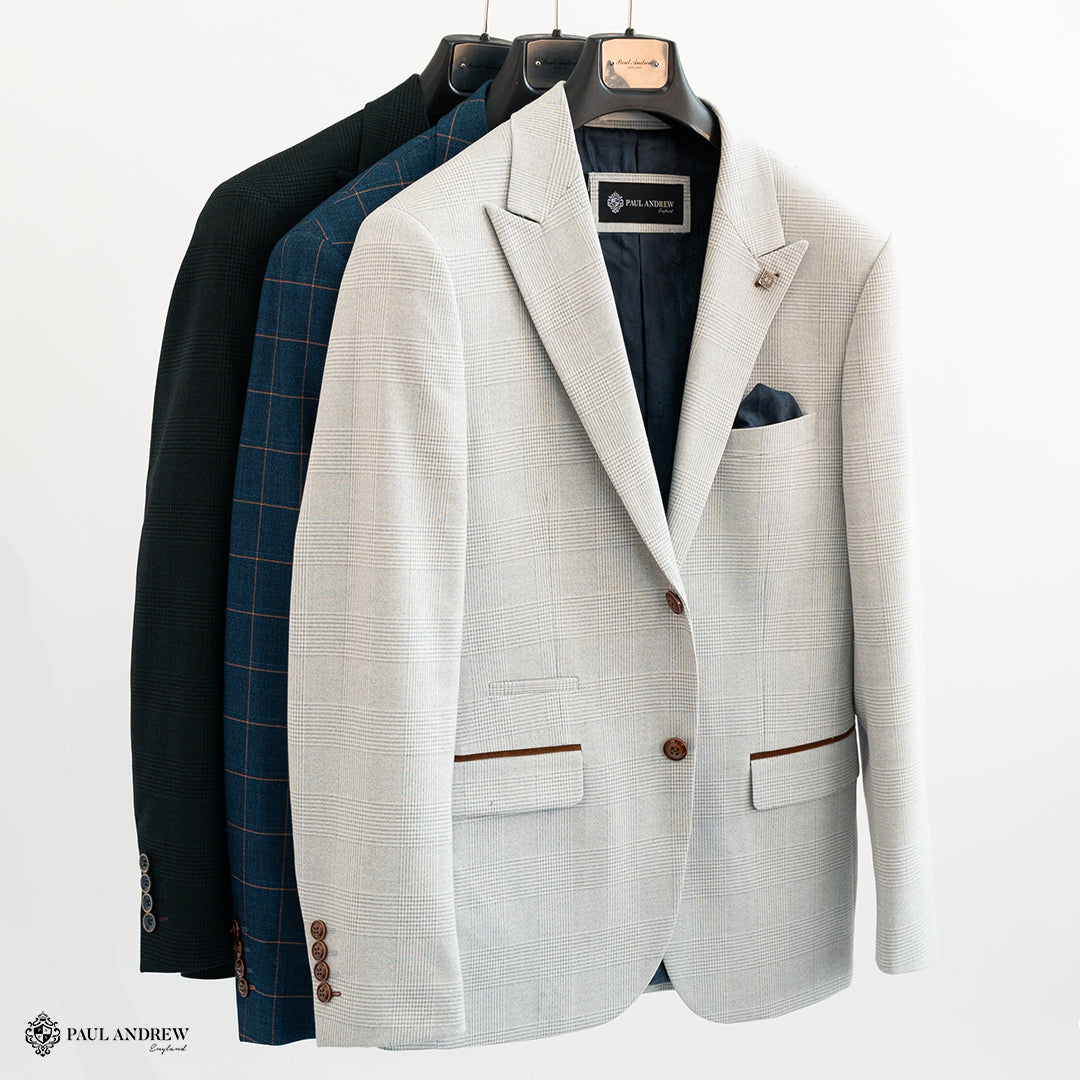
Beige – A lighter alternative that works particularly well for daytime events.
-
Sage green – A subtle way to introduce colour without making your outfit feel too bold.
Best Fabrics for Spring
Medium-weight wool is a useful option for spring because it offers versatility when temperatures are changing. Cotton blends can also work well, depending on the construction and weight of the fabric.
For weddings and other special occasions, a lighter-coloured two-piece or three-piece suit can look particularly smart.

Summer Suits: Lightweight Fabrics and Breathable Styles
Summer is when fabric choice becomes especially important. Between warmer temperatures, outdoor events and long days, the last thing you want is a suit that feels heavy or uncomfortable.
Look for materials that allow you to stay comfortable while maintaining a smart appearance.
Best Fabrics for Summer
Linen
Linen is one of the most recognisable summer fabrics. It is lightweight and breathable, making it a popular choice for warm-weather occasions.
One thing to remember is that linen naturally creases. This is part of its relaxed appearance, so it is generally better suited to occasions where a slightly less structured look is appropriate.
Lightweight Wool
Wool isn't just for winter. Lightweight wool fabrics can work well during warmer months, offering a smarter, more structured appearance than some casual summer materials.
Cotton
Cotton suits can be a good option for summer, particularly for daytime occasions. They often have a slightly more relaxed feel while still looking polished.
Best Colours for Summer
Summer is the perfect opportunity to experiment with lighter shades:
-
Beige and stone
-
Light grey
-
Pale blue
-
Light tan
-
Mid-blue
These colours work particularly well for summer weddings, garden parties and outdoor events.
Styling a Summer Suit
Keep things simple. A lightweight shirt, smart shoes and a well-chosen pocket square can create a complete outfit without adding unnecessary layers.
For particularly warm occasions, consider whether a waistcoat is necessary. A two-piece suit can offer a lighter alternative while still looking smart.

Autumn Suits: Rich Colours and Textured Fabrics
Autumn is one of the easiest seasons to experiment with men's tailoring. The weather is cooler, layering becomes more practical and richer colours start to feel more appropriate.
This is the time of year when deeper shades and slightly heavier fabrics can really come into their own.
Best Colours for Autumn
Consider adding some of these colours to your autumn wardrobe:
-
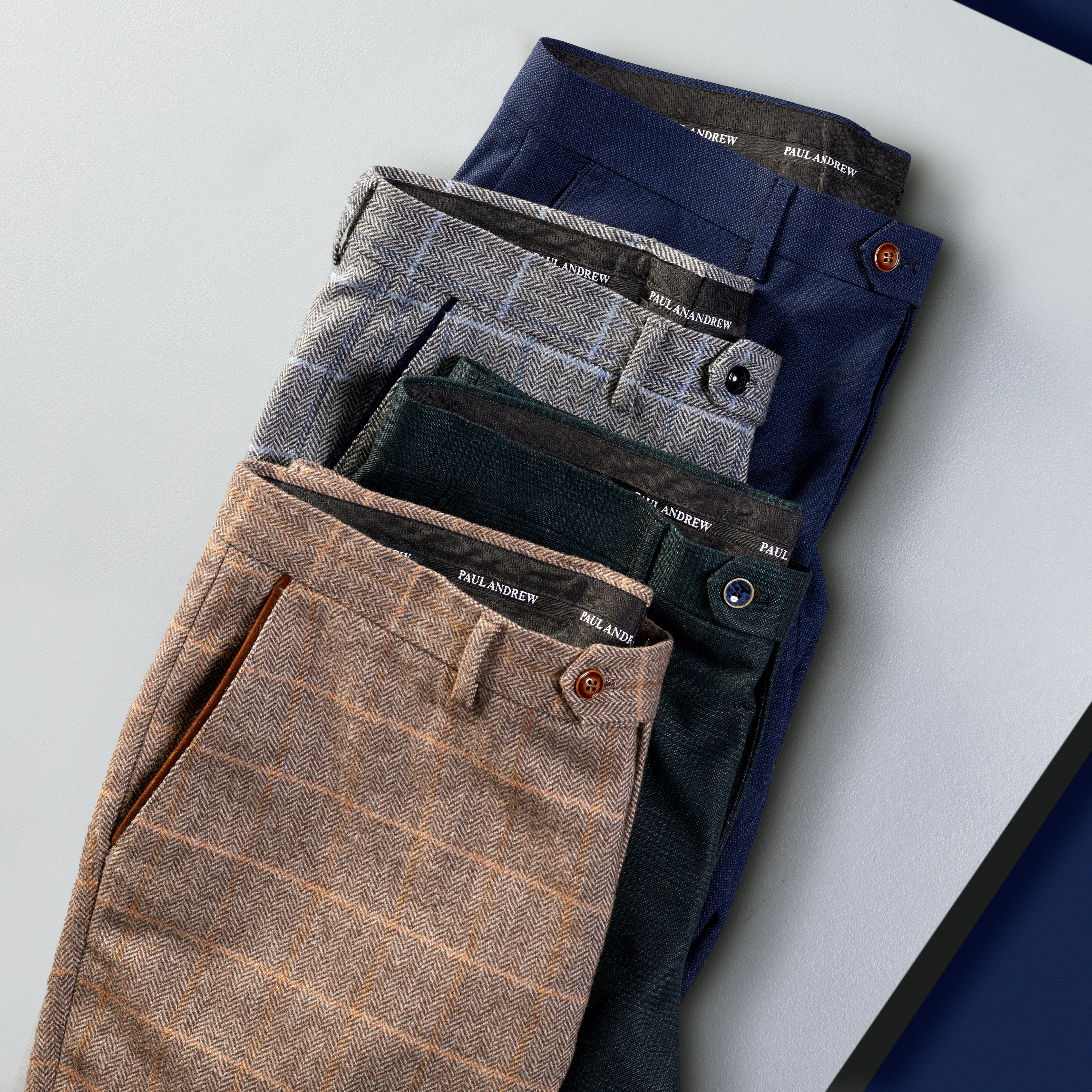
Dark green – A distinctive alternative to traditional navy.
-
Burgundy – A rich colour that works particularly well for weddings and evening occasions.
-
Charcoal grey – A reliable option for work and formal events.
-
Brown – A classic autumn shade that pairs well with cream, white and blue.
-
Navy – Still one of the most versatile choices for the season.
Best Fabrics for Autumn
Medium to heavier-weight wool is a practical choice as temperatures begin to drop. It offers a more substantial feel and works well for both everyday business wear and special occasions.
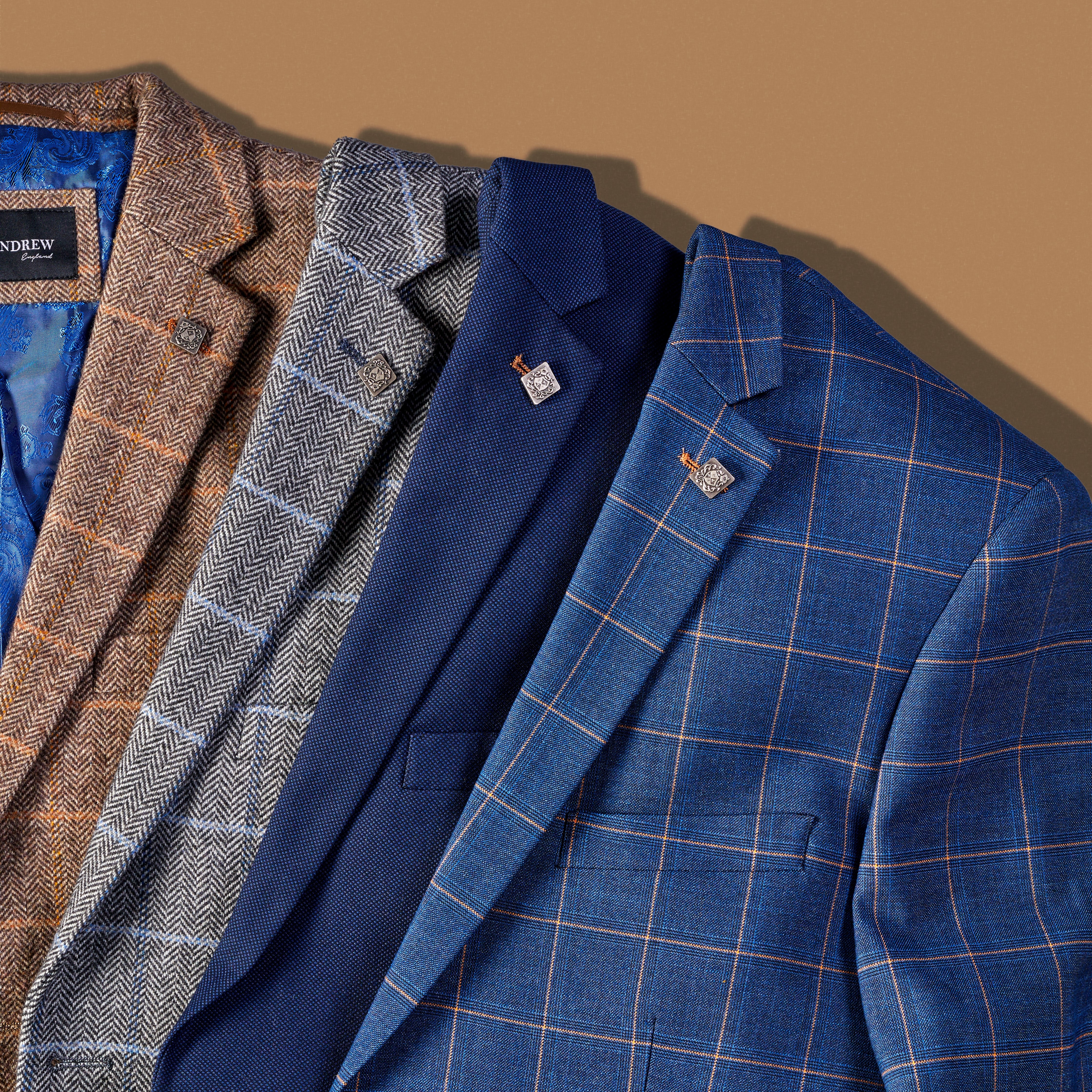
Textured fabrics can also add interest to an outfit. Depending on the occasion, subtle patterns and richer finishes can help create a more seasonal look.
How to Style an Autumn Suit
Layering is one of the easiest ways to adapt your outfit to autumn weather. A smart overcoat can add warmth, while a scarf can provide an extra layer when temperatures fall.
You can also experiment with different shirt colours and accessories. A burgundy tie, dark brown shoes or a patterned pocket square can help bring the outfit together.

Winter Suits: Warmth, Structure and Classic Colours
Winter calls for suits that feel comfortable in colder conditions while maintaining a smart, formal appearance.
Heavier fabrics and darker colours are particularly popular during this season, making winter a good time to invest in a classic suit that can be worn for work, formal occasions and evening events.
Best Fabrics for Winter
Wool
Wool is one of the most versatile suit fabrics. Depending on its weight and construction, it can be suitable for different times of the year. Heavier wool fabrics are particularly useful during colder months.
Wool Blends
Some wool blends combine the appearance of traditional wool with other fibres to create different finishes and characteristics. Always check the fabric composition and garment details when choosing a suit.
Tweed
Tweed is traditionally associated with colder weather. Its textured appearance gives it a distinctive look, making it a good choice for certain autumn and winter occasions. It is generally less suited to very formal business settings than a classic smooth-finish suit.
Best Colours for Winter
For a classic winter wardrobe, consider:
-
Charcoal
-
Black
-
Dark navy
-
Deep burgundy
-
Forest green
These shades work well for evening events, business wear and winter weddings.
How to Style a Winter Suit
Winter is the perfect time to introduce additional layers. A smart overcoat is a practical addition, while a scarf and leather gloves can complete the look.
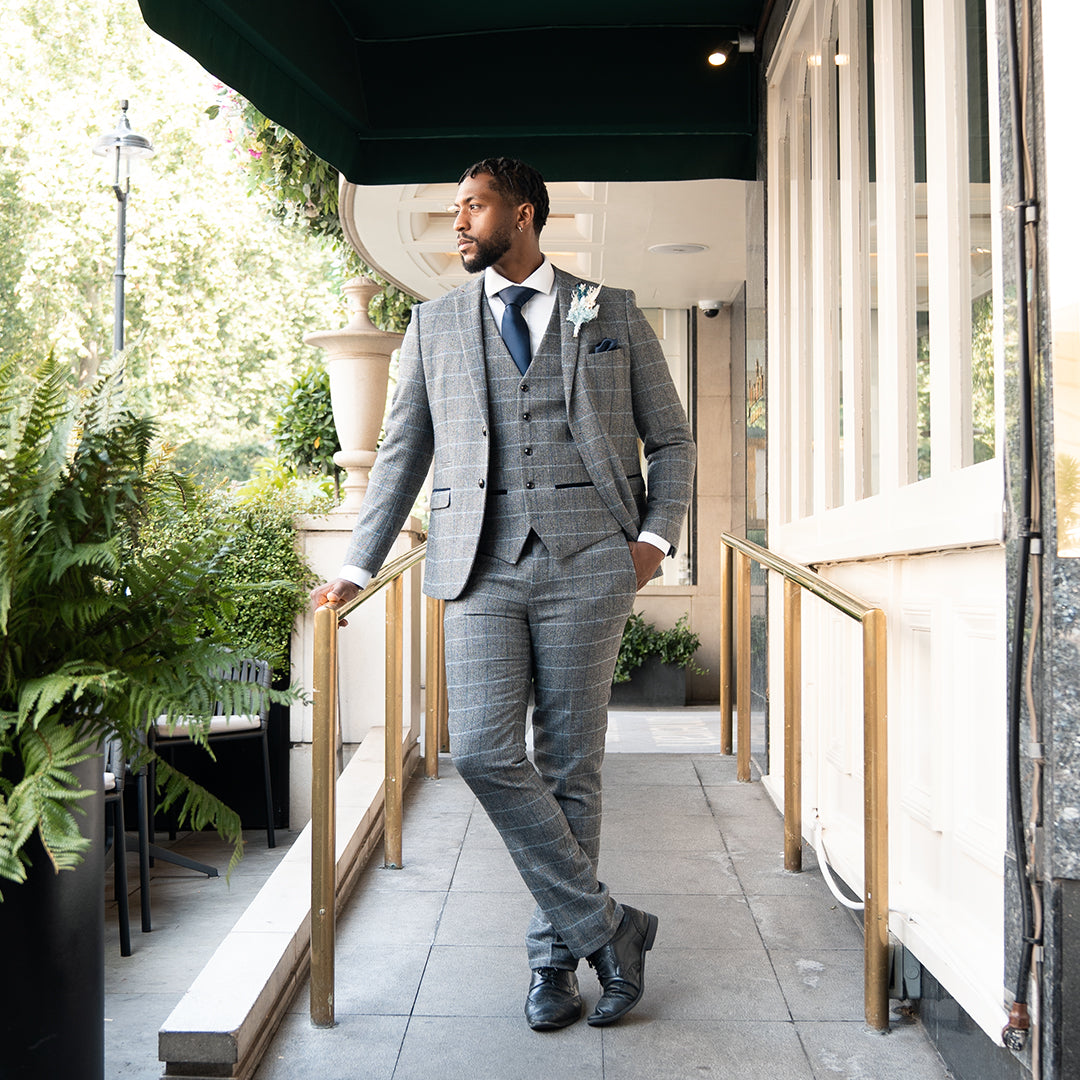
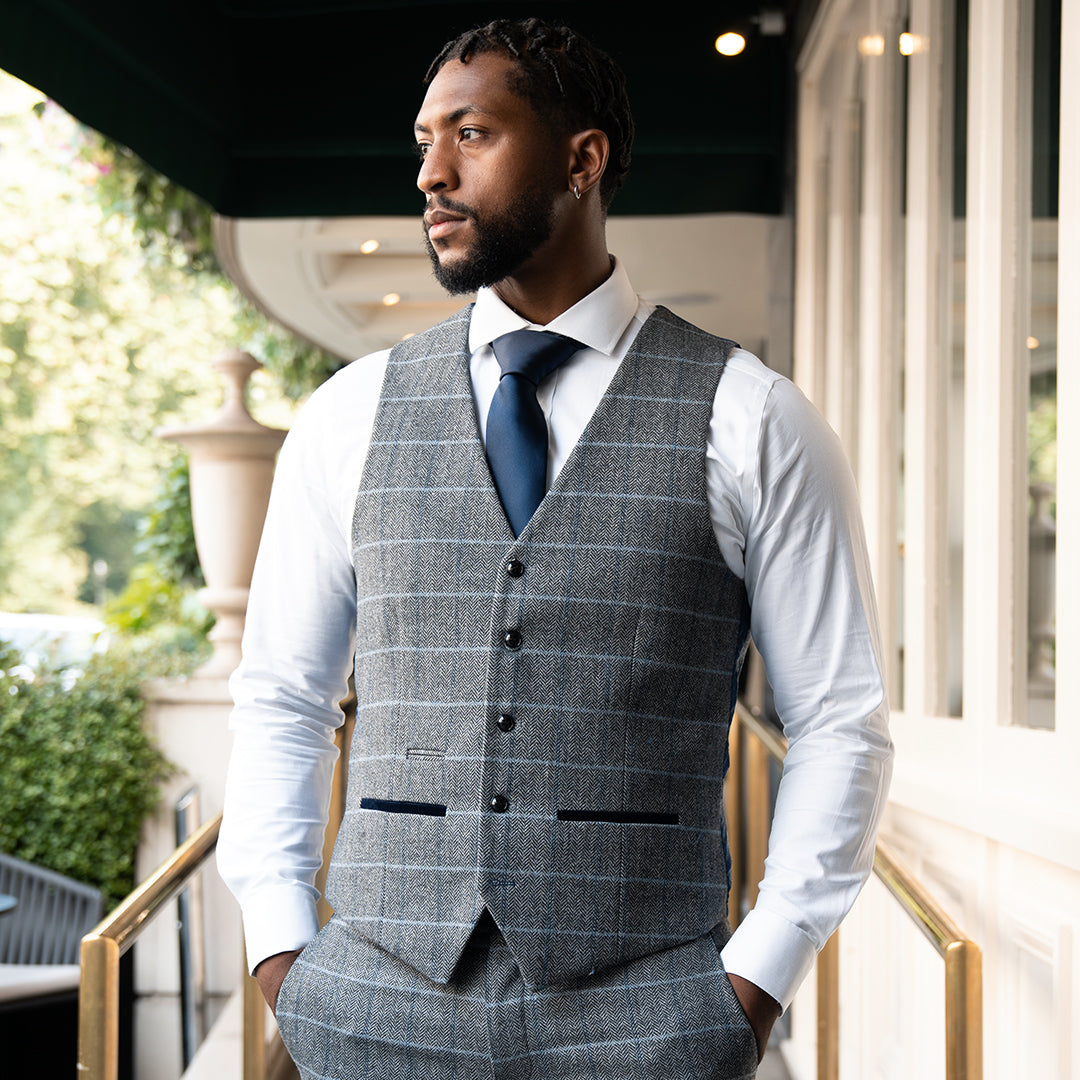
For formal occasions, a three-piece suit can also be a good option. The waistcoat adds another layer and creates a more traditional appearance.

Two-Piece or Three-Piece: Which Is Better for Each Season?
Both two-piece and three-piece suits can work throughout the year. The best choice depends on the occasion, the weather and the look you're trying to achieve.
Two-Piece Suits
A two-piece suit consists of a jacket and matching trousers. It is a versatile option that works for almost every season.
During spring and summer, it can feel less restrictive than a three-piece suit, particularly when temperatures are high. It is also a reliable choice for office wear, interviews and everyday formal occasions.
Explore the Paul Andrew men's two-piece suit collection for classic options that can be styled throughout the year.
Three-Piece Suits
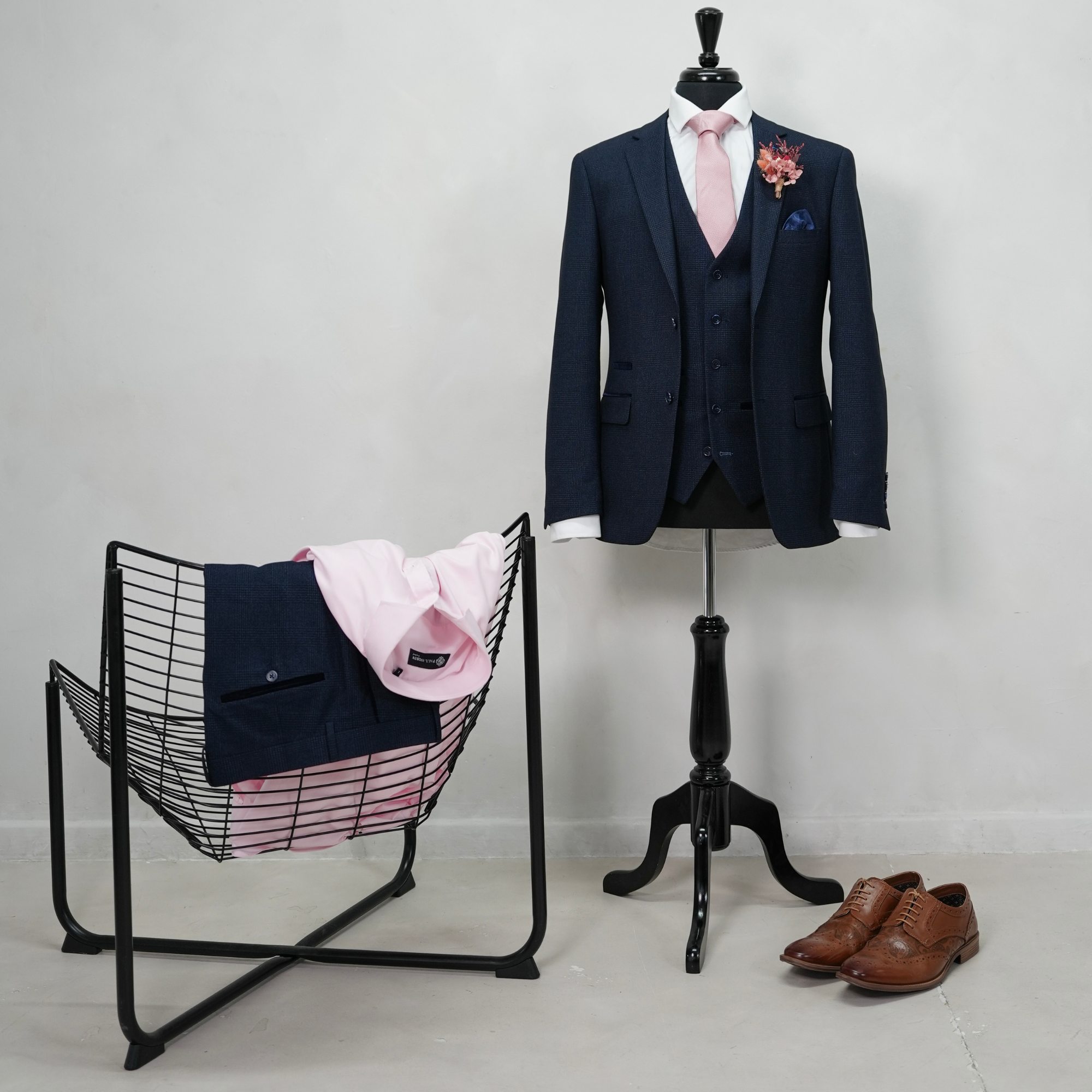
A three-piece suit includes a matching waistcoat, making it a popular choice for weddings, formal events and occasions where a more traditional appearance is wanted.
The additional layer can be useful in cooler weather, although it can also be worn during warmer months when the fabric is suitable.
Take a look at the Paul Andrew men's three-piece suit collection for styles that work particularly well for weddings and formal occasions.
How to Choose a Suit That Works All Year Round
Not everyone wants to buy a completely different suit for every season. If you're building a practical wardrobe, there are a few options that offer more flexibility.
Start With Navy
A navy suit is one of the most useful purchases you can make. It works for business meetings, weddings, formal events and many other occasions.
Depending on the fabric weight, a navy suit can be worn throughout much of the year. Pair it with a crisp white shirt for a classic look or introduce lighter colours for a more relaxed appearance.
Consider Charcoal Grey
Charcoal is another excellent all-rounder. It is smart enough for formal occasions but versatile enough for regular office wear.
It also works with a wide range of shirt and tie combinations, making it easy to create different outfits from the same suit.
Pay Attention to Fabric Weight
If you want a suit that offers flexibility, avoid choosing something that is specifically designed for extreme summer or winter conditions.
A medium-weight fabric can be a sensible option for everyday use, particularly when you want one suit that can be worn across different occasions.
You can explore the Paul Andrew men's suit collection to find styles suitable for building a versatile wardrobe.
Don't Forget the Importance of Fit
Even the best fabric and colour won't look quite right if the suit doesn't fit properly.
Pay attention to the shoulders, chest, jacket length and trouser length. The jacket should sit comfortably without pulling across the chest, while the trousers should fall neatly without excessive bunching.
It's also worth thinking about what you'll wear underneath. A suit worn with a shirt in summer may feel different from one styled with additional layers in winter.
Paul Andrew offers suits with a tailored fit, designed to create a smart and well-presented appearance.
Choosing the Right Shoes for Each Season
Your shoes can make a big difference to the overall appearance of your outfit.
In spring and summer, lighter brown or tan leather shoes can complement lighter suit colours particularly well. During autumn and winter, darker brown and black leather shoes are reliable choices.
For formal occasions, classic Oxford shoes are a timeless option. Derby shoes can offer a slightly more relaxed alternative while still looking smart.
Try to coordinate your belt with your shoes where appropriate, keeping the overall outfit balanced.
Explore the Paul Andrew men's shoe collection to find footwear to complete your look.


Common Mistakes to Avoid When Choosing a Seasonal Suit
A few simple mistakes can make it harder to get the most out of your suit wardrobe.
Choosing heavy fabrics for summer: A thick, heavy suit can quickly become uncomfortable in warmer weather. Consider lighter materials instead.
Assuming all wool suits are for winter: Wool comes in different weights and constructions. Lightweight wool can be suitable for warmer conditions too.
Ignoring the occasion: A relaxed linen suit may be ideal for a summer garden wedding but might not be appropriate for a formal business event.
Choosing colour without considering versatility: Trend-led colours can be enjoyable, but classic shades such as navy, grey and charcoal are often easier to wear regularly.
Forgetting about layering: Think about what you'll wear with your suit. A winter outfit may need an overcoat, while a summer look should feel lighter and less complicated.
Building a Suit Wardrobe for Every Season
You don't need dozens of suits to be well dressed throughout the year. A carefully chosen collection of versatile styles can cover most occasions.
If you're starting from scratch, consider building your wardrobe around these essentials:
-
A navy two-piece suit: A dependable choice for work, weddings and formal occasions.
-
A charcoal or grey suit: Another versatile option that can be styled in several ways.
-
A lighter-coloured summer suit: Ideal for warmer weather, daytime events and summer weddings.
-
A darker three-piece suit: A smart choice for formal occasions and cooler months.
Once you have these foundations, you can introduce different colours, patterns and fabrics to give your wardrobe more variety.
Final Thoughts
Choosing the right suit for each season is about finding the balance between comfort, practicality and personal style.
Lightweight fabrics and brighter colours are often ideal for spring and summer, while richer shades and heavier materials can work particularly well during autumn and winter.
The most important thing is to choose suits that suit your lifestyle and the occasions you attend. Start with versatile colours, pay attention to fabric weight and make sure the fit is right.
With a few well-chosen options, you can build a wardrobe that keeps you looking smart and feeling comfortable throughout the year.